500 Hour Yoga Teacher Training Curriculum & Syllabus
Our 500 hour yoga teacher training curriculum brings together foundational learning and advanced yoga study in one residential journey. The 500 hour yoga teacher training syllabus moves from personal practice to a deeper understanding of yoga and the skills needed to teach it.
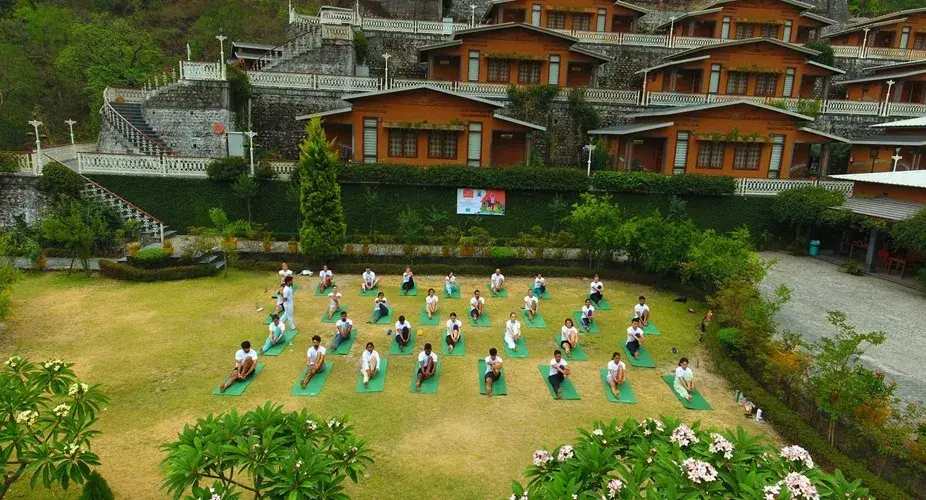
At Rishikesh Yogpeeth, we believe learning yoga is more than mastering postures. It is learning to listen to your breath, understand your body and become more aware of the person you are becoming. Our combined programme brings together the 200-hour foundation and 300-hour advanced training at Abhayaranya Yoga Ashram in Rishikesh.
You learn through practice, study, observation and reflection. Each part adds another layer to your understanding. Gradually, yoga becomes more than something you practise on the mat. It becomes something you learn to understand and share.
What You Will Learn in the 500 Hour YTT
Our programme brings together practice, knowledge and teaching development. You explore yoga through your body, your breath and your understanding of its philosophy.
Our 500 hour yoga teacher training curriculum Rishikesh programme follows the Hatha Yoga tradition. It includes asana practice, pranayama, meditation, anatomy and physiology, yoga philosophy and teaching methods.
You will explore:
Asana
Learn standing poses, forward bends, backbends, twists and inversions.
Pranayama
Explore traditional breathing practices.
Meditation and mantra
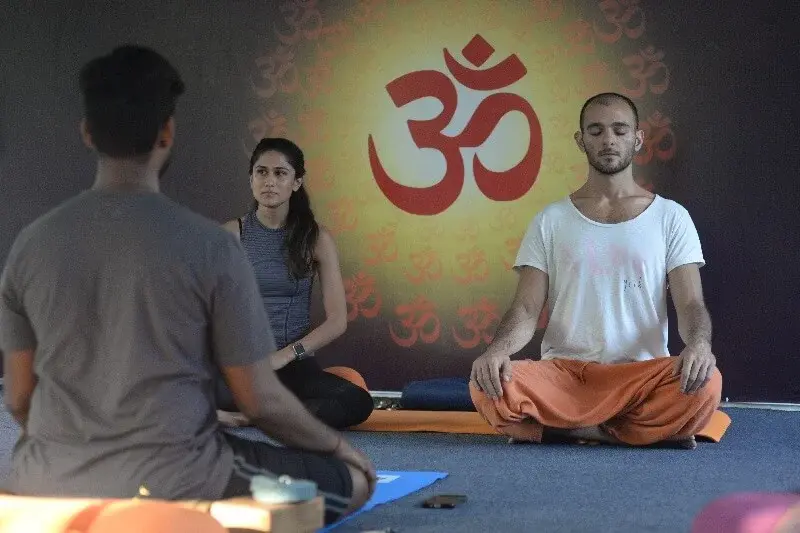
Develop awareness through guided practice.
Anatomy and physiology
Understand the body in relation to yoga practice.
Yoga philosophy
Explore the ideas and principles that give yoga its deeper meaning.
Teaching skills
Build your understanding of alignment, adjustment and instruction.
Independent study
Reflect on lessons and complete written and practical assignments.
The learning is not only about knowing more. It is about understanding what you practise and why it matters.
Ready to explore the full programme?
Read about our 500-hour yoga teacher training in Rishikesh.
500 Hour Curriculum at a Glance
Our 500 hour yoga teacher training syllabus Rishikesh programme combines the 200-hour and 300-hour courses into one continuous residential journey. The learning moves from foundational understanding towards deeper practice and teaching development.
| Learning area | What you explore |
|---|---|
| Asana practice | Standing poses, forward bends, backbends, twists and inversions |
| Pranayama and meditation | Breathing practices, mantra and meditation |
| Anatomy and physiology | The body and its relationship to yoga practice |
| Philosophy | Yogic principles and philosophical study |
| Teaching methods | Instruction, alignment and adjustment |
| Independent study | Reflection, study and assignments |
| Assessment | Written and practical assignments |
We do not assign separate hour totals to these subjects here because we want you to refer to the approved course timetable for the current allocation.
The learning areas connect with one another. Your practice gives you experiences to reflect on. Your study helps you understand those experiences. Teaching practice encourages you to communicate what you learn.
Take the next step:
Explore our 200-hour foundation course and 300-hour advanced course.
Phase 1: The 200 Hour Foundation
Every deep journey needs a foundation.
The first phase introduces the essential practices and ideas of yoga. You begin to understand asana, pranayama, meditation, anatomy and philosophy. You also explore the foundations of teaching.
You learn to pay attention to alignment. You become more familiar with the relationship between breath and movement. You begin to understand how to communicate instructions clearly.
This foundation supports your personal practice and prepares you for further study.
Our 200 + 300 hour yoga teacher training curriculum is designed to bring the two levels together. You do not need to treat them as unrelated experiences. Each phase contributes to a wider understanding of yoga.
Read more about our 200-hour yoga teacher training.
Phase 2: The 300 Hour Advanced Training
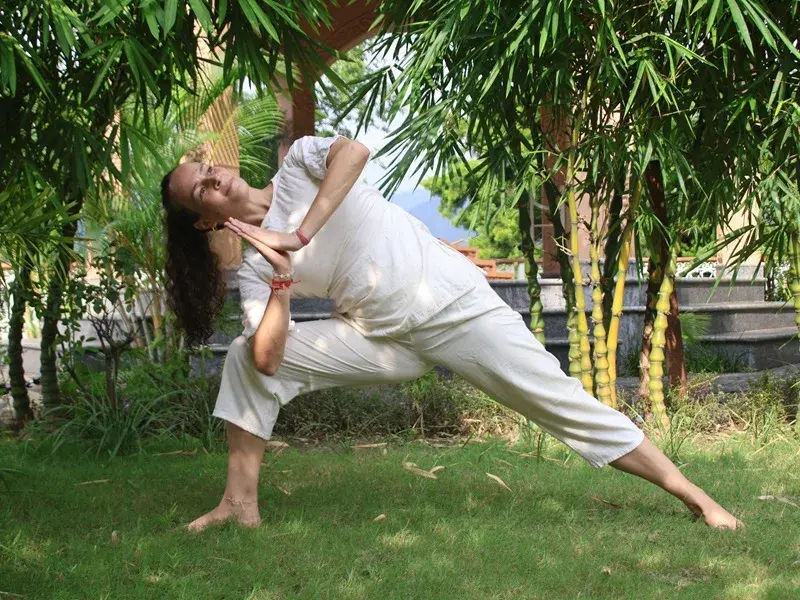
The advanced phase builds on the foundation. It gives you space to explore yoga in greater depth and continue developing your teaching knowledge.
You revisit familiar practices with a deeper understanding. You study alignment and adjustment. You explore philosophy and anatomy alongside your ongoing practice.
Our 300-hour yoga teacher training offers more detail about this phase.
The 500 hour yoga TTC curriculum brings the foundation and advanced study together. You move through the programme as one connected learning experience, rather than viewing each subject in isolation.
This progression can help you understand not only how to practise, but also how to explain what you have learnt to others.
Want to understand the full learning journey?
Contact our team to discuss the programme and your goals.
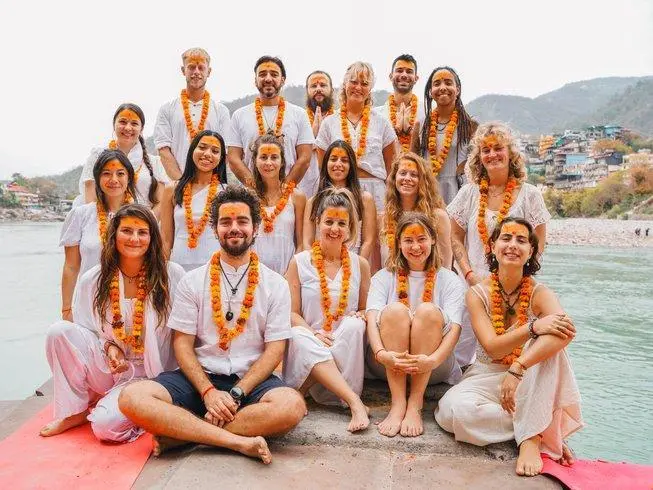
Techniques, Training and Practice
Yoga is experienced through practice. It is also understood through patience, observation and study.
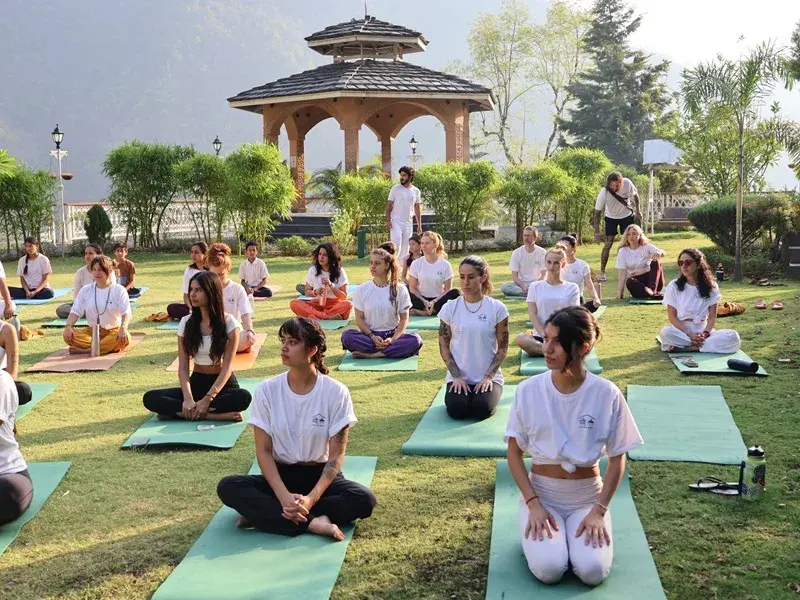
Our programme includes Hatha Yoga asana practice, pranayama, meditation and mantra. You explore different categories of postures and learn to understand how they are practised.
Your practice includes:
- Standing poses.
- Forward bends.
- Backbends.
- Twists.
- Inversions.
- Breathing and meditation practices.
The aim is not to make every posture look perfect. It is to develop a more thoughtful relationship with your practice.
As you learn, you begin to notice the details. How you enter a posture. How you breathe. How you respond to guidance. These observations can deepen your understanding over time.
Our 500 hour Hatha yoga teacher training curriculum follows the Hatha Yoga emphasis described in our programme information. Please ask us about the current timetable if you would like to understand how different practices are distributed across the course.
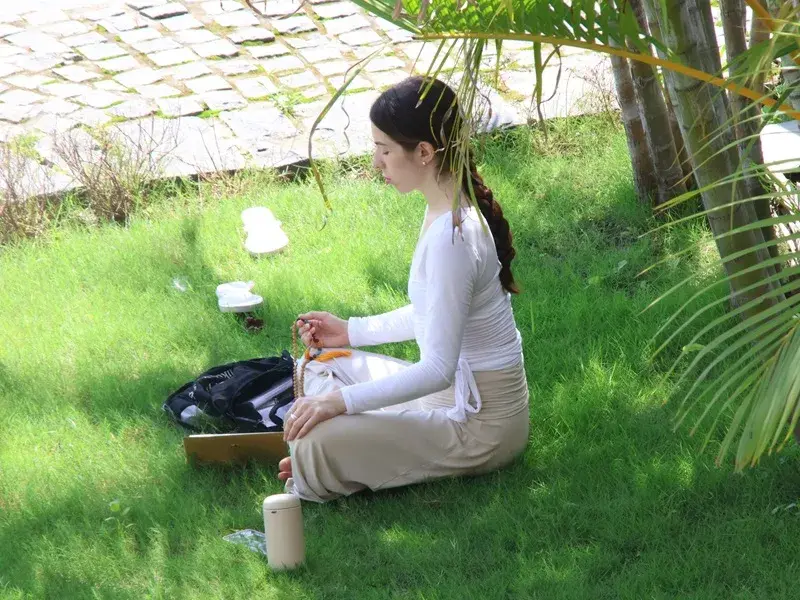

Anatomy and Physiology
Understanding the body helps you approach yoga with greater awareness.
Anatomy and physiology form part of our programme. You study the body alongside your practical learning and explore how this knowledge relates to asana and teaching.
This learning encourages you to look beyond the shape of a posture. You begin to consider movement, alignment and individual differences.
It can also help you recognise why one instruction may not work in the same way for every student. Each person brings a different body and experience to the mat.
We encourage thoughtful practice rather than forcing a movement. The aim is to develop understanding that supports responsible teaching.
Continue your learning:
Explore our 500-hour course overview or speak with us about the curriculum.
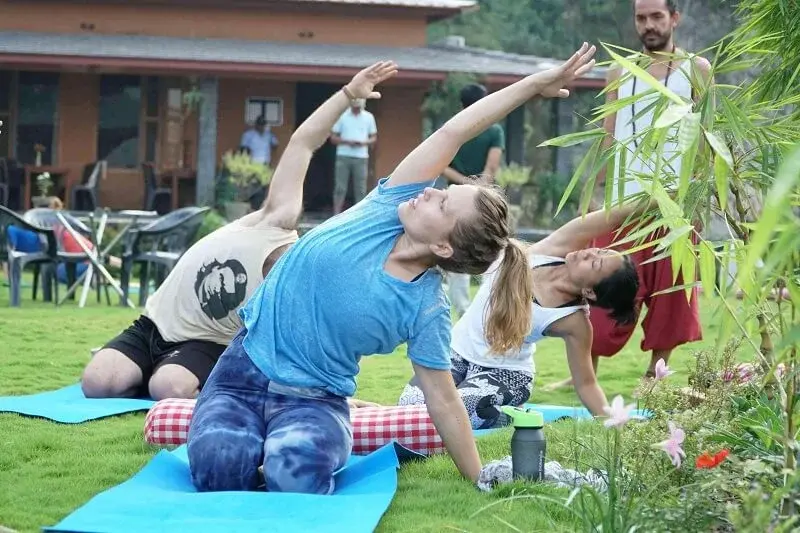
Philosophy, Lifestyle and Ethics
Yoga offers more than physical practice. It invites us to examine how we think, act and relate to the world.
Our programme includes yoga philosophy and study connected with the wider yogic tradition. Our teachers guide you through learning that encourages reflection and a deeper understanding of yoga.
You can expect to explore ideas that help connect practice with daily life. What does discipline mean when nobody is watching? How can awareness change the way we respond? What does it mean to approach teaching with care?
These questions do not always have immediate answers. Sometimes, understanding grows slowly through discussion, practice and reflection.
We believe that learning philosophy is not simply about remembering ideas. It is about giving yourself time to consider them and understand how they relate to your own experience.
Teaching Methodology
Teaching yoga requires more than knowing how to perform a posture. It requires the ability to communicate, observe and guide.
Our programme includes teaching techniques, alignment and adjustment. These areas help you understand the foundations of guiding a yoga practice.
The 500 hour YTT teaching methodology element of your learning focuses on connecting knowledge with instruction. You begin to consider how a teacher explains a movement and helps students understand it.
The detailed teaching sequence and current practical requirements should be confirmed against our approved timetable. We do not want to promise a particular number of teaching hours without verified information.
Teaching development involves learning to:
- Give clear instructions.
- Understand the purpose of a posture.
- Pay attention to alignment.
- Observe how students respond.
- Communicate with care and clarity.
Thinking about teaching yoga?
Explore our programme and speak with us about your learning goals.
Practicum, Assessment and Feedback
Learning becomes more meaningful when you have opportunities to apply it.
Our published course information confirms that students complete written and practical assignments. These help assess learning beyond attendance alone.
The 500 hour yoga teacher training practicum is an important topic to discuss with our team if you want to understand the current supervised teaching arrangements in detail.
During your training, you should be prepared to engage with both theoretical and practical learning. Reflection and assignments help you revisit what you have studied and recognise where you need more clarity.
We recommend asking us about the current assessment format, attendance requirements and feedback process before enrolling. We want you to understand what will be expected of you throughout the programme.
200 vs 300 vs 500 Hour Curriculum
Each training level serves a different purpose. The right choice depends on where you are in your learning journey.
| Programme | Main purpose | Suitable for |
|---|---|---|
| 200-hour training | Establish a foundation in yoga practice and teaching | Students beginning formal teacher training |
| 300-hour training | Continue learning after a recognised 200-hour qualification | Students ready for advanced study |
| Combined 500-hour training | Bring foundational and advanced learning together | Students who want to complete both phases through one programme |
Our 200 + 300 hour yoga teacher training curriculum connects foundational learning with advanced study. The combined programme offers a continuous residential experience at our ashram.
If you have already completed a 200-hour course, ask us whether the separate 300-hour programme better suits your circumstances. If you are beginning the full pathway, our combined course may be the option to explore.
The 500 hour yoga TTC syllabus brings these learning levels together, while the detailed course pages explain each phase in greater depth.
Curriculum, RYS 500 and RYT 500: Understanding the Difference
The curriculum describes what you study. RYS 500 refers to a Registered Yoga School at the 500-hour level. RYT 500 refers to an individual teacher registration designation through Yoga Alliance.
Our Yoga Alliance RYS 500 curriculum is structured around the combined 200-hour and 300-hour training pathway described on our course page.
The phrase RYT 500 curriculum is sometimes used when people search for the subjects covered in 500-hour training. It is important to keep the concepts separate: a curriculum is the learning programme, while RYT 500 is an individual registration designation.
Completing training and receiving a course certificate should not be confused with automatic individual registration. Review the current Yoga Alliance requirements before enrolling if registration is important to your plans.
Frequently Asked Questions
Begin Your Learning Journey With Us
A yoga teacher training is not only about completing a course. It is an opportunity to give your practice time, attention and care.
At Rishikesh Yogpeeth, we invite you to learn with curiosity. Ask questions. Explore the teachings. Allow your understanding to grow through practice and reflection.
Our 500 hour yoga teacher training syllabus brings together foundational and advanced study in one residential journey. If you feel ready to take this step, we would love to help you understand the programme and decide whether it suits your goals.
Explore our 500-hour course or contact our team to discuss your next step.